More information that fits on the packaging: how COMPO Benelux uses the QR code by GS1
Packaging for potting soil, fertilisers or grass seed needs to contain a lot of information. Add multiple languages and instructions for use, and the available space quickly becomes limited. That is why COMPO Benelux uses the QR code by GS1 to give consumers access to additional digital product information with a single scan.
Lots of information, limited space
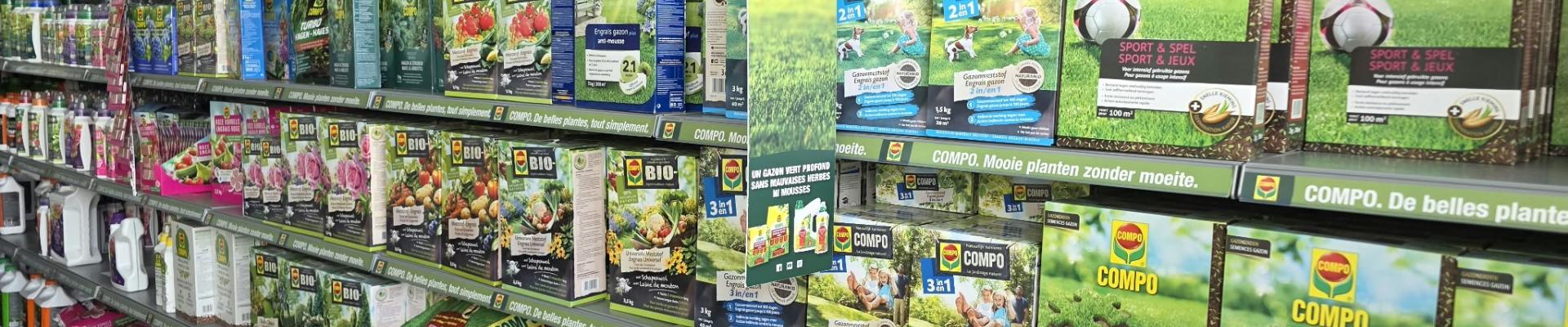
COMPO Benelux is active in product categories including potting soils, fertilisers, grass seeds and biocides. Its range consists of 300 to 350 products across several brands.
As Product Manager, Geoffrey De Cloedt oversees product innovations and packaging changes. He makes sure that products are launched at the right time and with the right packaging.
And that packaging presents a challenge. In the Benelux, COMPO needs to provide information in several languages. At the same time, the amount of relevant product information continues to grow. As a result, it is not always possible to include everything on the physical packaging.
From a simple QR code to the QR code by GS1
COMPO was already using static QR codes on some of its packaging. These generally direct consumers to a single, predefined destination.

The QR code by GS1 offers more possibilities. Multiple URLs can be linked to the code and updated afterwards, without changing the QR code on the packaging.
For Geoffrey, that flexibility is particularly valuable: “You can virtually extend the packaging, so to speak.”
One access point for more product information
In the first phase, COMPO mainly uses the QR code by GS1 to direct consumers to the product page on its own website.
By scanning the code with a smartphone, consumers can access information for which there is not always enough room on the packaging. This can include more detailed product information, instructions for use and, where available, videos.
This reflects a broader shift in the customer journey.
“Consumers are increasingly looking online for advice and background information about gardening products as well. Websites, social media and videos therefore play a growing role alongside physical packaging,” Geoffrey explains.
The QR code connects these two worlds. Consumers see the product or its packaging and can immediately access additional information.
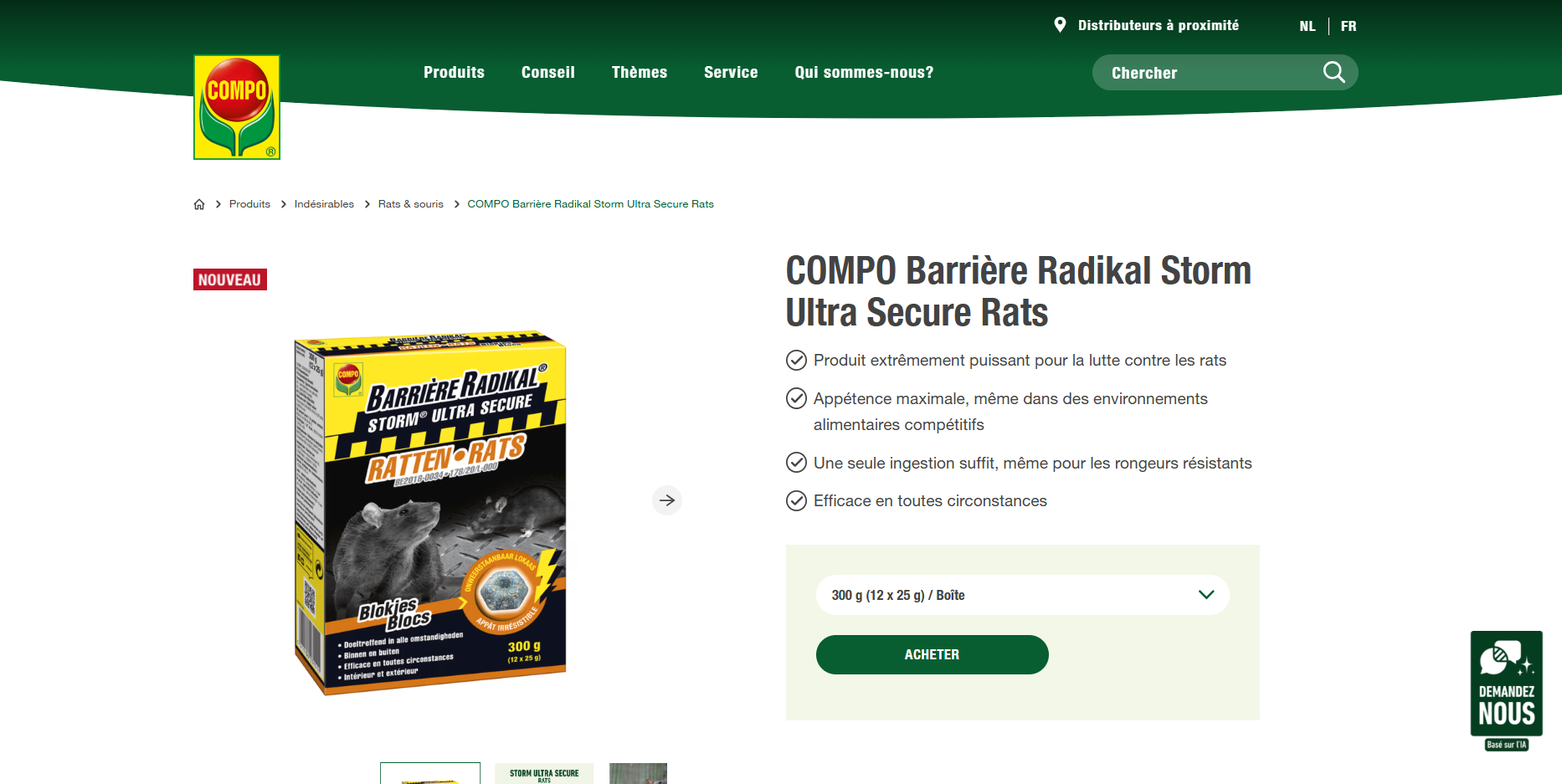
The packaging stays the same, while the information can change
Another advantage is that the URLs linked to the QR code by GS1 can be updated. When product information changes or additional information needs to be added, Geoffrey does not necessarily have to place a new QR code on the packaging.
This also benefits consumers. The QR code on the packaging continues to direct them to accurate information, even when that information changes.
Learning from what consumers scan
For Geoffrey, the QR code is not only an additional way to share information. Over time, he also wants to gain a better understanding of how consumers use the QR codes.
Website traffic, for example, can provide insights into which products are scanned more frequently.
According to Geoffrey, it is still too early to draw conclusions. There are not yet enough products with the new QR code on the market. However, he is already seeing the first signs that the codes are bringing additional visitors to the website.
More room for information to grow
For COMPO, the QR code by GS1 is much more than just another code on the packaging. It gives consumers access to up-to-date information that does not necessarily fit on the packaging itself.
And when that information changes, it can be updated without having to change the QR code on the packaging.
For a range of 300 to 350 products, with different packaging formats and multiple languages, the QR code by GS1 quite literally gives COMPO more room to inform consumers.