Less on the label, more behind the QR code: Fagnes Beers chooses GS1
An ever-growing list of ingredients, mandatory nutritional information and a strong visual identity: every millimetre on a label counts.
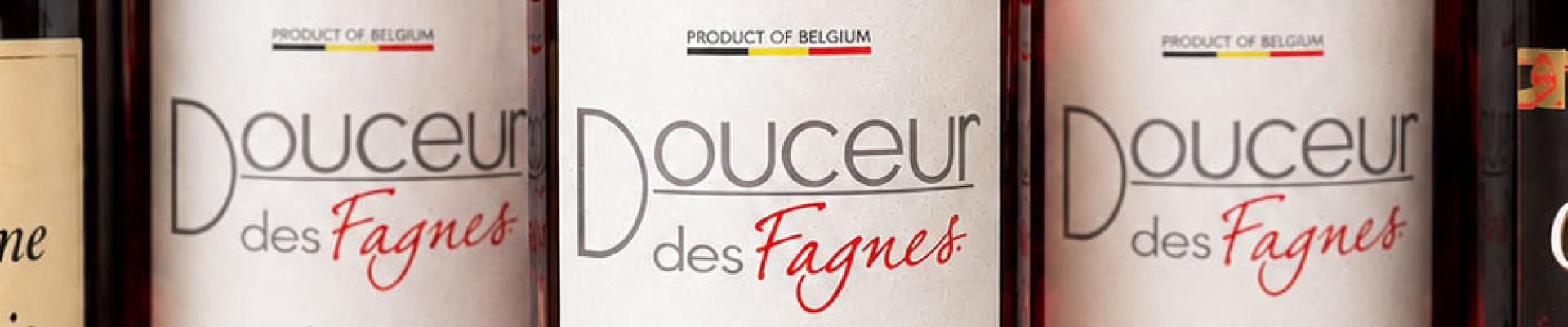
For its Douceur des Fagnes liqueur, Fagnes Beers chose the QR code by GS1 to make product information digitally accessible and allow it to be updated without changing the printed code. This first experience could eventually be extended to all its beers, depending on how regulatory requirements evolve.
A family business with a growing product range
Fagnes Beers will soon celebrate its 30th anniversary and currently offers a range of more than eight products, alongside beers from the WAW (What A Wonderful Beer) brand. As the range grows, so does the amount of product information that needs to appear on the packaging.
As graphic designer and marketing manager, Elodie Meyfroid works directly on the labels. The challenge is clear: include all the necessary information without compromising readability or design.
When the label reaches its limits
Designing a back label can sometimes feel like solving a puzzle. The longer the list of ingredients, the less space remains to structure the information clearly while preserving the product’s visual identity.
“With a long list of ingredients, you quickly have to reduce the font size,” Elodie explains. This is the case, for example, with 0,0% beer, where the amount of information leaves little room on the back label.
The QR code by GS1 offers greater flexibility. It allows the label to be complemented with digitally accessible information, freeing up space for other elements, including the design. Certain essential information, such as allergens, can remain directly visible on the packaging.
One QR code, even when the information changes
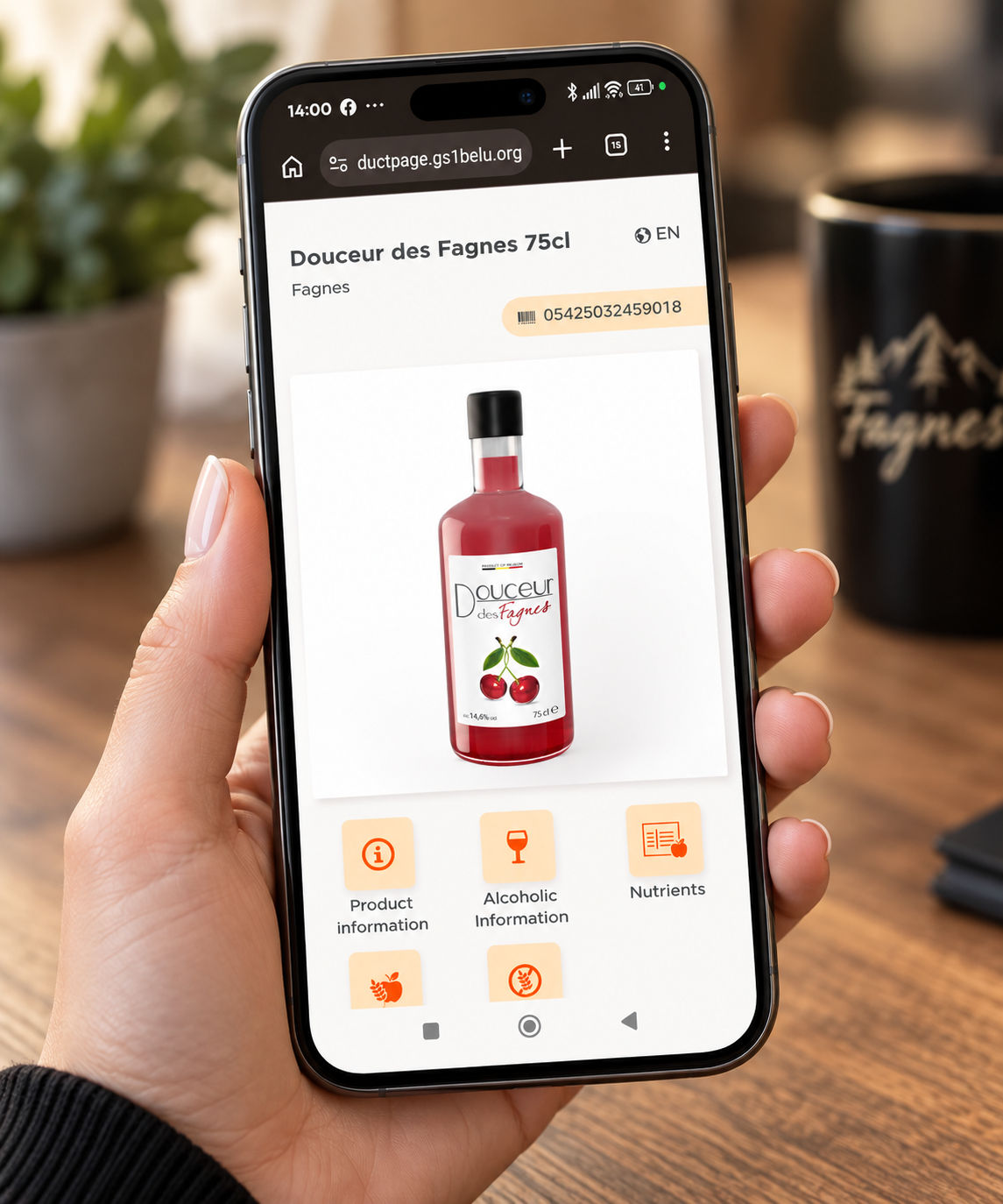
Fagnes Beers currently uses the QR code by GS1 on Douceur des Fagnes, a cherry wine-based aperitif. When consumers scan the QR code by GS1 on Douceur des Fagnes with their smartphone, they see a table containing the product’s nutritional information.
The advantage for Elodie? She does not have to create a new QR code every time something changes. “If the recipe changes, I can simply update the information in the product sheet in My Product Manager,” she explains. The printed QR code remains the same, while the underlying data is updated.
From product sheet to QR code
The Fagnes Beers range has already been entered into My Product Manager to facilitate the exchange of product information with its partners.
“Creating the product takes the most time,” Elodie says. The data for the product, case and pallet all need to be entered. Once that step is complete, exporting the QR code by GS1 takes just 30 seconds.
For the implementation, Fagnes Beers also contacted GS1 Belgium & Luxembourg to check that everything worked correctly and to see exactly how the QR code could be generated.
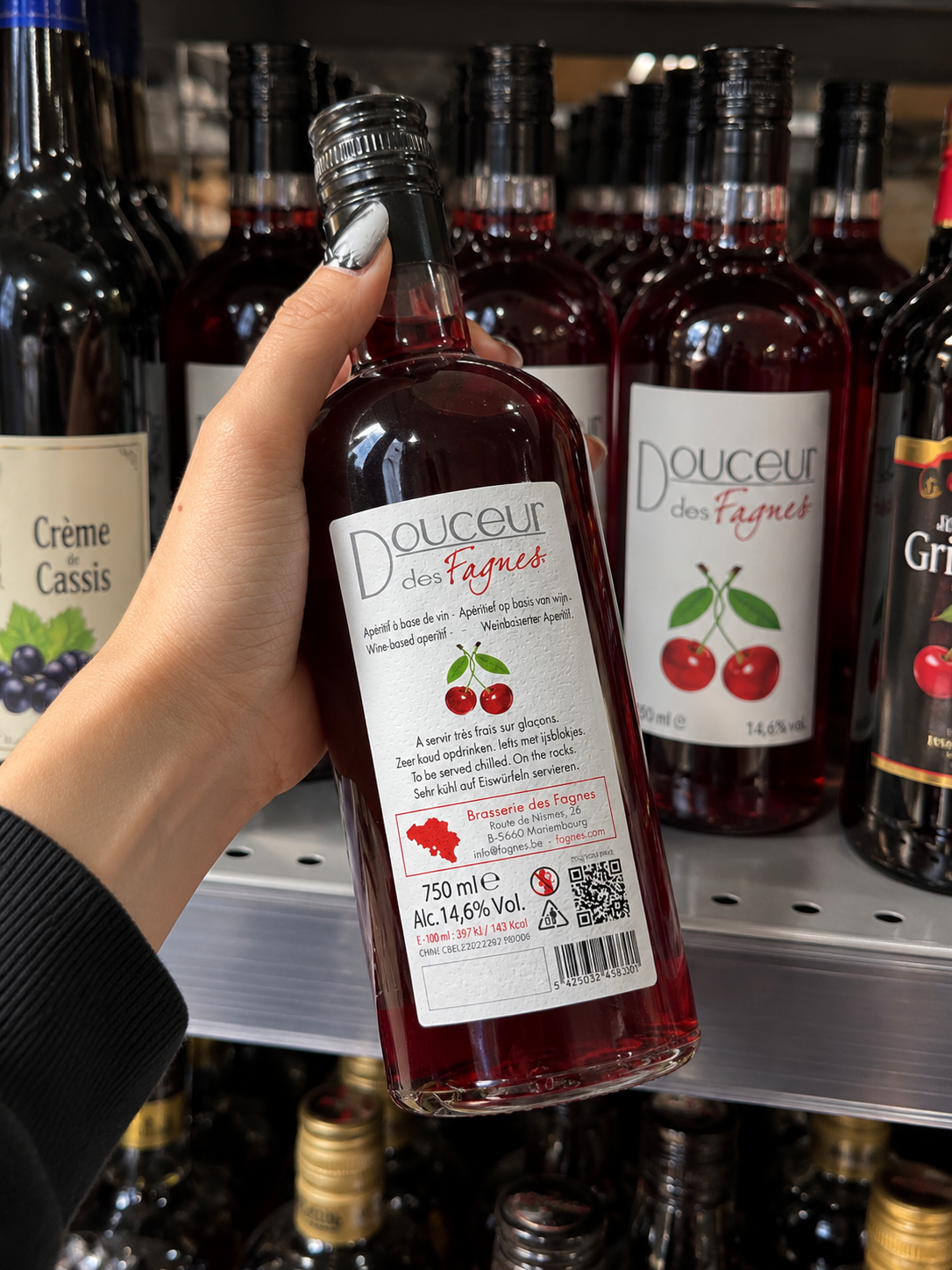
A QR code by GS1 is only useful if it can be scanned correctly. That is why Fagnes Beers has made testing part of its standard label approval process. Before Elodie sends a label to the printer, she prints it at actual size on an A4 sheet. The QR code is then tested using several smartphone cameras.
“We mainly check the size and whether the QR code can be scanned properly,” Elodie explains. It is a simple but essential step before the labels go to print.
What about the beers in the future?
Today, Douceur des Fagnes is the only product using this QR code by GS1. But Elodie does not rule out extending the approach to the beers as well, depending in part on how regulatory requirements evolve.
The foundations are already in place: the entire product range has been entered into My Product Manager. Fagnes Beers can therefore gradually assess the added value the QR code by GS1 could offer for other products.
More flexibility for packaging without overloading it
The experience of Fagnes Beers shows how digitising product information can address a very practical challenge: provide more information without overcrowding the label, while leaving more space for communication and marketing.
It also shows how physical packaging and digital data can complement each other. With structured product information and common standards, the same label can be used more flexibly and adapt more easily as market needs and regulatory requirements evolve.